
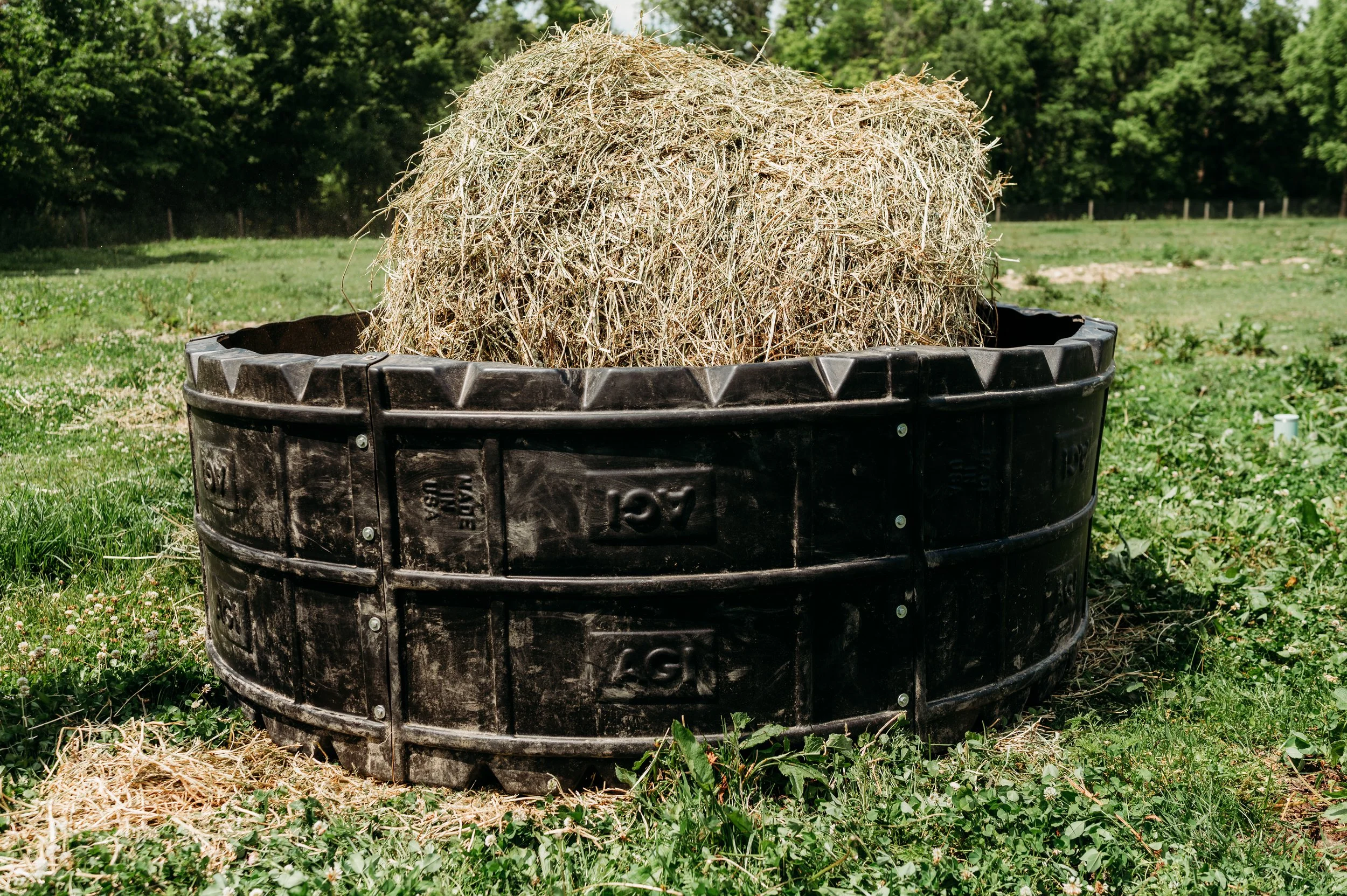
Summer Pasture Management: Transitioning from Grass to Hay Feeders
Managing the transition from summer grass to supplemental hay doesn't have to mean endless chore time or ruined forage. By setting up clean feeding stations, monitoring pasture height, and using durable, equine-safe hay rings, you keep your herd safe, healthy, and fed while keeping your farm expenses in check.
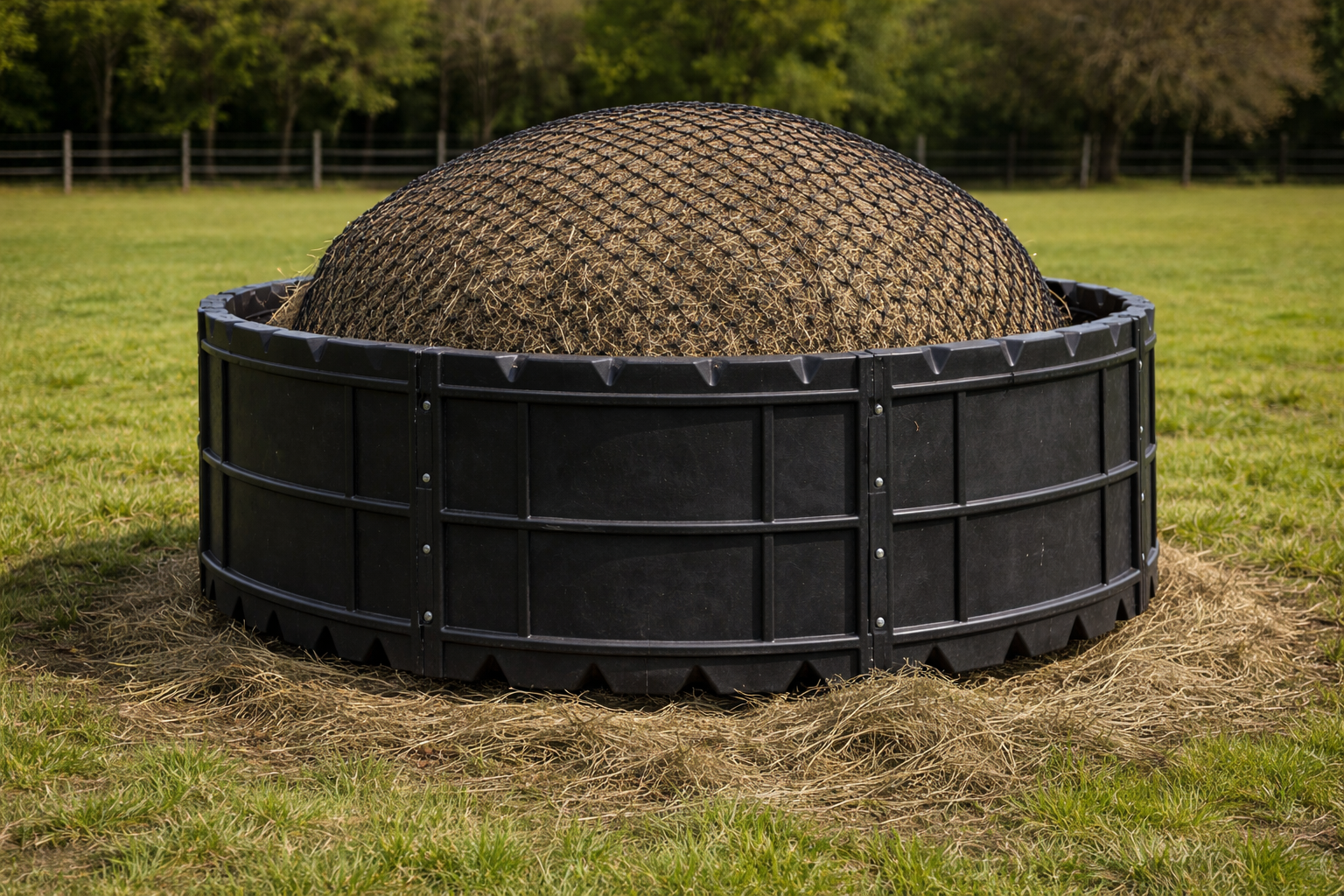
Why We Say "No" to Cattle Feeders for Horses: Equine Safety Explained
Opting for specialized equine equipment like an AGI Horse Hay Ring is an easy investment in your herd's safety and your own peace of mind.
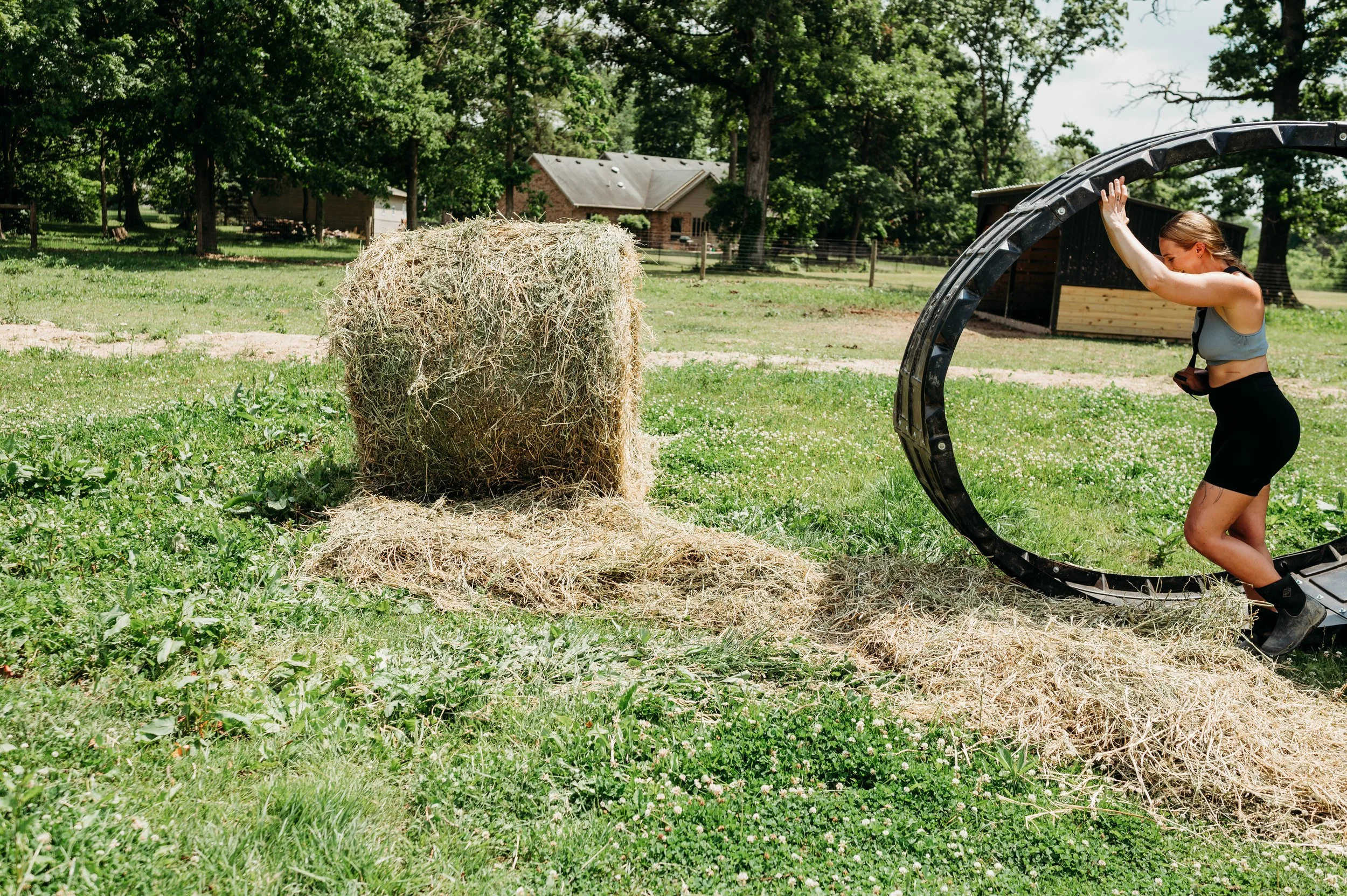
From 40% Waste to 5%: The Science of Contained Feeding for Horses
You don't need to spend every waking hour scraping muddy, wasted forage out of your paddocks to run an elite horse facility or local homestead. True efficiency means choosing long-term, specialized tools that let you work smarter, not harder.
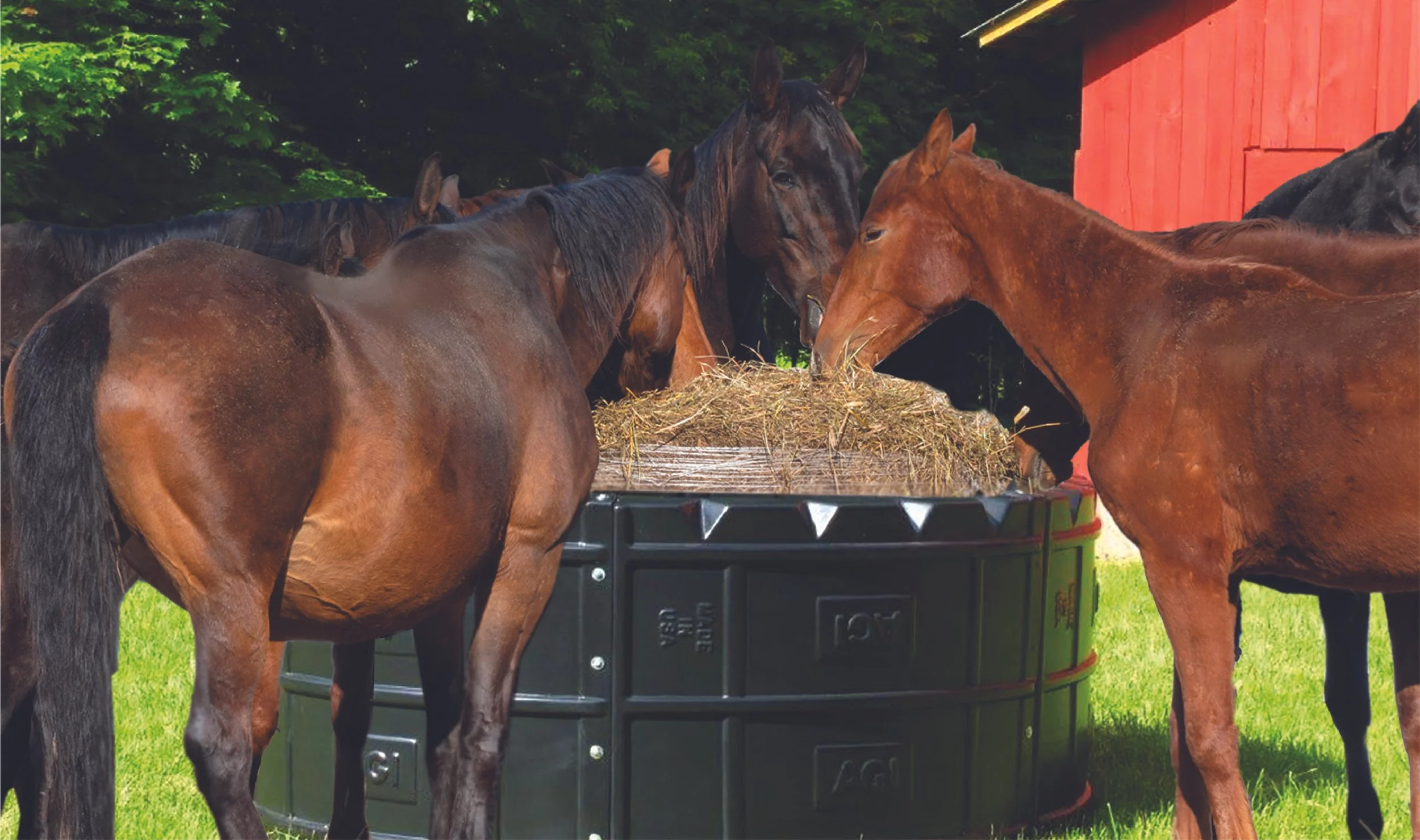
The Busy Homesteader’s Guide to Low-Maintenance Horse Care
You don’t have to spend every waking hour in the barn to be a great horse owner. By choosing tools that are durable, safe, and easy to move, you’re not just taking a shortcut—you’re building a sustainable lifestyle.
When your equipment is "set it and forget it," you finally have the time to actually enjoy the horses you’re working so hard to keep.
Reducing Sand Colic Risk: Keeping Forage Off the Dirt
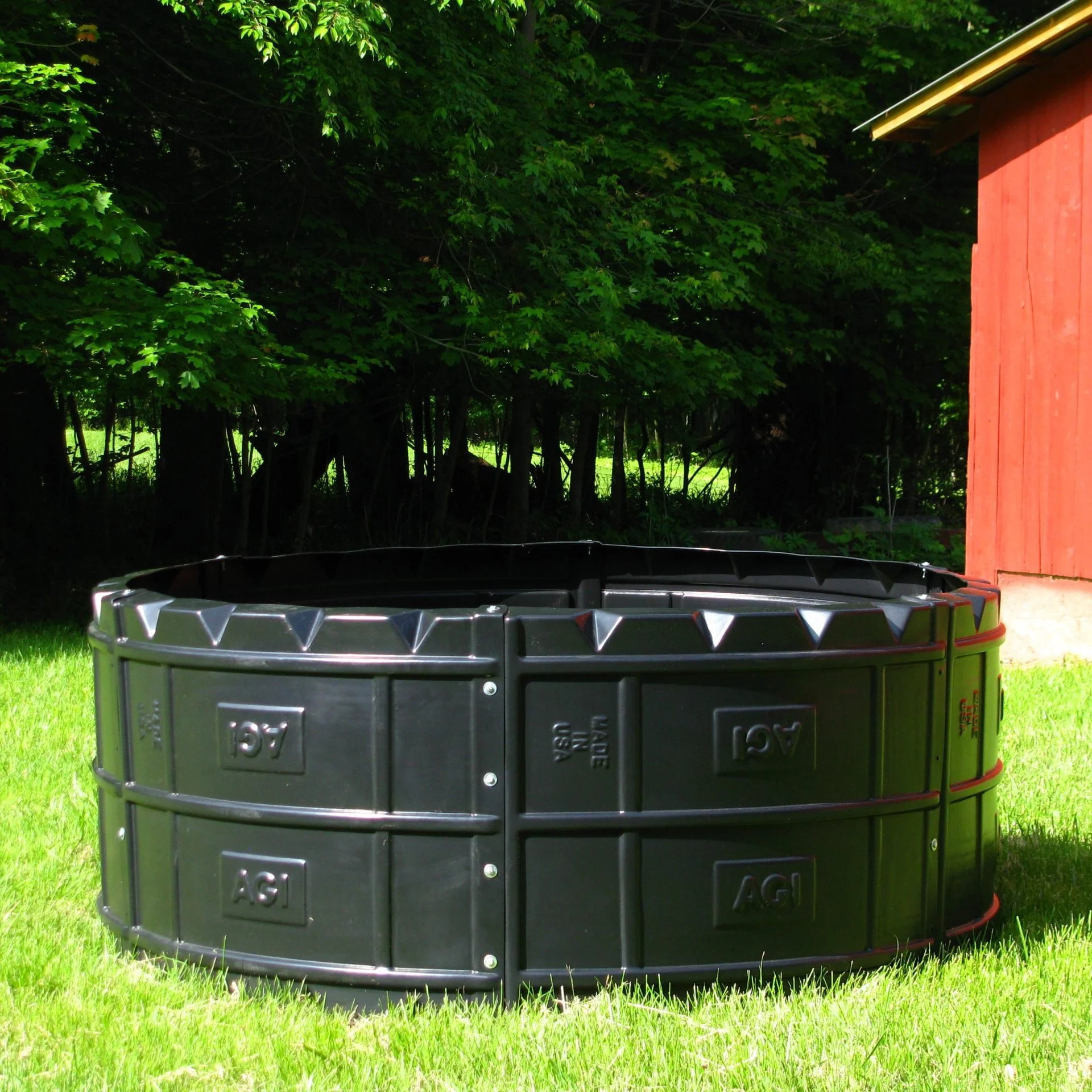
There are hidden dangers of feeding horses directly on bare ground, where the accidental ingestion of dirt and sand can lead to costly and dangerous sand colic. Find practical farm management strategies to prevent sand accumulation in the gut, emphasizing the use of safe, elevated feeders and solid-bottom poly hay rings to keep forage clean and off the dirt.